Rooted in Missouri
Running a business in Louisiana comes with plenty of moving parts—managing clients, keeping projects on schedule, maintaining equipment, and making sure your team stays safe on the road. Commercial insurance plays a major role in protecting all of that. Whether you’re a plumber in Erath, a painter in Lafayette, a contractor in Youngsville, or a small business owner right here in Abbeville, understanding how commercial insurance and commercial vehicle policies work can save you from major headaches down the line.
This guide breaks down what commercial insurance actually covers, how commercial vehicle policies differ from personal auto insurance, and what Louisiana businesses should keep in mind when choosing the right protection.
Commercial Insurance Protects Your Business From Everyday Risks
Every business—no matter how big or small—faces risks. A client slips at your office, an employee damages property on a jobsite, or a hurricane puts your tools underwater. Commercial insurance helps protect your business from financial loss when something unexpected happens.
For local companies across Abbeville, Erath, Youngsville, Lafayette, Kaplan, and Delcambre, coverage needs can vary widely depending on the type of work you do. That’s why customized protection is so important.
General Liability Insurance: The Foundation of Your Business Protection
General liability is the most common policy for small businesses—and with good reason. It helps cover bodily injury, property damage, and legal expenses if your business is held responsible for an accident.
If you’re a contractor, painter, plumber, or handyman, this policy protects you if a customer claims you caused damage or injury. For retail shops, restaurants, or offices, it’s protection against slip‑and‑fall accidents and other day‑to‑day risks.
Commercial Property Insurance: Protection for Your Building and Tools
This coverage protects your building, equipment, tools, inventory, and furniture from losses caused by fire, theft, storms, and other covered events. Along the Gulf Coast, where weather can turn quickly, it’s especially important for business owners to understand their limits and deductibles.
Whether you operate a small office in Abbeville or a workshop in Youngsville, property insurance helps get you back up and running after a loss.
Business Owners Policies (BOP): A Package Solution for Small Businesses
A Business Owners Policy bundles general liability and property coverage into one efficient, often more affordable package. Many small businesses qualify—contractors, small retail shops, independent tradespeople, service businesses, and more.
This simplified package makes it easier to manage your commercial insurance without missing key protections.
Workers Compensation: Required for Most Louisiana Businesses
If you have employees—even just one—you may be required to carry workers compensation. This coverage pays for medical care, lost wages, and rehabilitation if an employee gets injured on the job.
For artisans, contractors, and tradespeople, where physical work is a daily reality, this is one of the most important policies you can carry. It also protects your business from lawsuits related to workplace injuries.
Commercial Vehicle Insurance: More Than Just Auto Coverage for Businesses
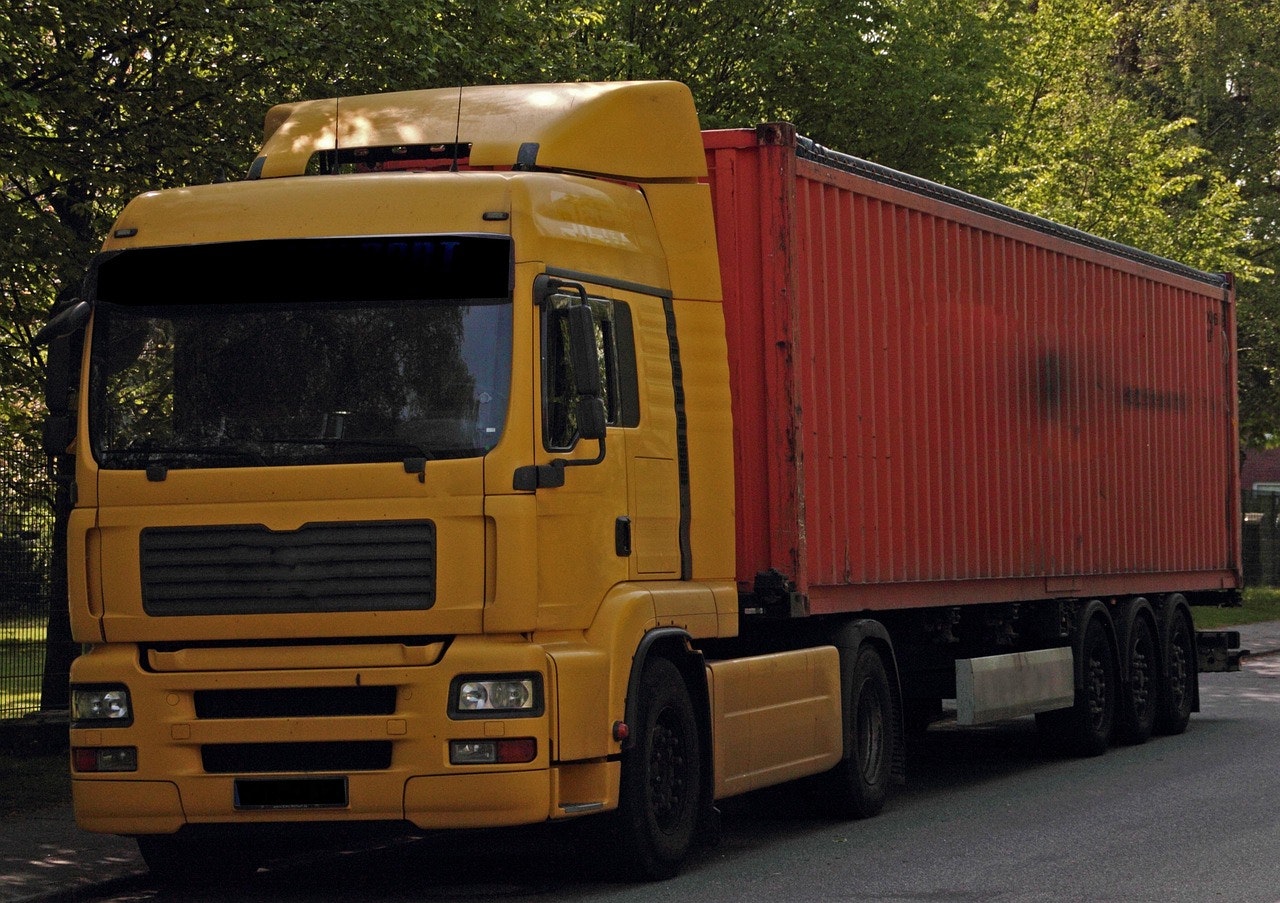
Here’s where many business owners get confused: personal auto policies generally do NOT cover vehicles used for business operations. If your business owns a truck, van, or fleet—or if employees drive their own vehicles for work—a commercial auto policy is necessary.
Commercial auto policies cover:
- Company-owned work trucks, vans, and service vehicles
- Trailers used for tools or equipment
- Vehicles used to transport materials or clients
- Employee use of company vehicles
Even if you’re a one‑person operation using your truck for contracting jobs in Lafayette or hauling supplies across Acadiana, commercial coverage is essential. Personal auto insurance may deny a claim if they determine the vehicle was being used for business.
Why Personal Auto Policies Usually Don’t Cover Business Use
Insurance companies classify risk differently for business vehicles. Work trucks often carry heavy equipment, drive to job sites, stay on the road more often, or operate under tougher conditions. Because of this, insurers require businesses to carry commercial auto insurance to cover that higher exposure.
Commercial auto coverage typically includes:
- Liability protection for bodily injury and property damage
- Collision coverage for vehicle damage
- Comprehensive coverage for theft, fire, and storms
- Uninsured/underinsured motorist coverage
- Medical payments coverage
- Coverage for permanently attached equipment (toolboxes, racks, lifts)
For tradespeople—plumbers, electricians, carpenters, painters—this coverage is crucial. A single accident could take a work vehicle off the road, costing your business time and income.
Hired and Non-Owned Auto Coverage (HNOA)
If your employees use their personal vehicles for business—running errands, transporting materials, visiting job sites—you may need HNOA coverage. It fills gaps when a personal auto policy doesn’t cover business-related accidents.
Many small businesses overlook this coverage, but it’s an important layer of protection.
Tools, Equipment, and Inland Marine Coverage
Commercial auto insurance covers the vehicle itself—but not always the expensive tools and equipment inside it. For that, you may need inland marine or equipment coverage. This protects your tools whether they’re stored in your truck, at a jobsite, or in transit.
In our region, tradespeople often carry thousands of dollars of equipment daily—making this coverage essential for minimizing financial losses.
Hurricane and Weather Considerations for Louisiana Businesses
Business owners along the Gulf Coast face unique weather risks. Strong storms, flooding, and wind damage can affect your vehicles, buildings, and equipment. Commercial insurance helps protect your business from these unpredictable events, but it’s important to understand deductibles, exclusions, and how each policy handles storm-related losses.
Because Dave Holley Agency Inc has served the area for over 40 years, we know firsthand how local weather impacts commercial coverage and can help business owners choose the right protections before storm season hits.
Why Local Agents Matter for Commercial Coverage
Big nationwide agencies often treat commercial clients like numbers. At a small, local agency like Dave Holley Agency Inc, you get real people who understand the unique risks in Abbeville, Youngsville, Erath, Lafayette, and surrounding communities. We work with contractors, small business owners, local fleets, and tradespeople every day—so we know what coverage you actually need and what you don’t.
FAQ
Do I need commercial auto insurance if I use my personal truck for work?
If you regularly transport tools, materials, or drive to job sites, a personal auto policy may not cover accidents. A commercial vehicle policy is recommended.
What types of small businesses need commercial insurance?
Contractors, plumbers, painters, electricians, retail shops, service businesses, and any company with employees or customer interaction benefit from commercial coverage.
Does commercial insurance cover my tools and equipment?
Tools may not be covered under your commercial auto policy. Inland marine or equipment coverage is often needed to protect tools on the go.
Is commercial insurance required in Louisiana?
Workers compensation is required for most businesses with employees, and commercial auto insurance is required for company-owned vehicles.
How can I keep costs down on commercial insurance?
Bundling policies, maintaining clean driving records, updating equipment inventories, and working with a local agent for annual reviews can help lower costs.